
Cultural perceptions of gambling How different societies view risk and reward
Understanding the Cultural Context of Gambling
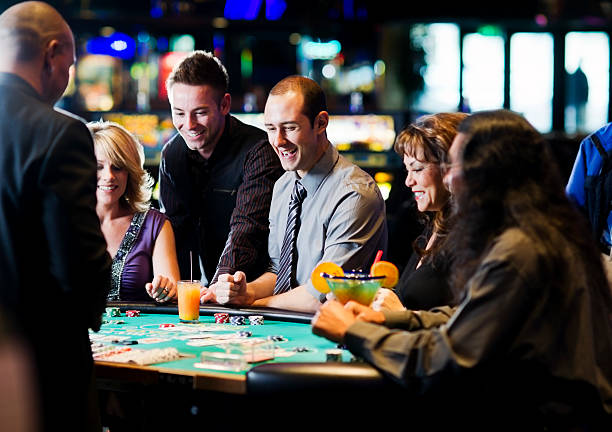
Cultural perceptions of gambling are deeply intertwined with the values and beliefs of societies around the world. In many cultures, gambling is viewed as a form of entertainment that embodies the thrill of risk-taking. For instance, in some Western societies, casinos and gambling establishments are seen as social venues where individuals can experience excitement and community. This perspective often highlights a positive attitude toward taking calculated risks, where the potential for reward is celebrated. If you’re interested in exploring more about online options, check out https://jackpotraidercasino-uk.com.

Conversely, in certain cultures, gambling is considered taboo, associated with moral decay and social issues. In countries where religious beliefs dominate, such as in parts of the Middle East, gambling may be strictly prohibited. This viewpoint reflects a deeper concern for social responsibility and the potential harm associated with addiction and financial ruin. Thus, the dichotomy in cultural perceptions reveals a complex relationship between risk and reward that varies significantly across different societies.
Additionally, the rise of online gambling platforms has introduced new dynamics to these cultural perceptions. As technology breaks down geographical barriers, people from diverse backgrounds now participate in gambling activities online. This blending of cultures influences how risk is perceived, as individuals may adopt attitudes from different societies. The growing accessibility of online gambling creates an opportunity for a broader conversation about the societal implications of risk and reward in various cultural settings.
The Role of Tradition and History in Gambling
Historically, many societies have integrated gambling into their cultural fabric, shaping their perceptions of risk and reward. For instance, the indigenous tribes of North America have long engaged in gambling as part of their rituals and communal gatherings. Traditional games and betting practices often reinforce social bonds and celebrate cultural heritage, demonstrating that gambling can hold significance beyond mere financial stakes.
In contrast, some cultures have a more recent history with gambling, often influenced by colonialism and globalization. Countries in East Asia, like China, have developed a unique relationship with gambling, particularly with games like Mahjong and the lottery. These forms of gambling are not merely about monetary gain; they are woven into the fabric of social gatherings and festivals, thereby shaping a cultural acceptance of risk in a celebratory context.
This historical lens reveals that the perception of gambling is not static but evolves with societal changes. As countries develop economically, attitudes toward gambling may shift, leading to more liberal laws and increased acceptance. Understanding this evolution helps to contextualize contemporary views on risk and reward in gambling, highlighting the significant role of history in shaping current perceptions.
Modern Views on Gambling and Societal Impact
In the contemporary world, gambling continues to evolve, influenced by social, economic, and technological factors. Many societies are witnessing a shift towards the normalization of gambling, particularly as it becomes increasingly integrated into mainstream entertainment. This trend is evident in countries like the United Kingdom, where gambling is a common leisure activity, and various forms of betting are widely accepted. The societal acceptance often correlates with a broader view of risk-taking as a part of the human experience.
However, this modern acceptance comes with its own set of challenges. As gambling becomes more accessible, concerns about addiction and mental health issues are rising. Many societies are grappling with finding a balance between celebrating the excitement of gambling and addressing the potential negative consequences. Educational initiatives and support systems are being put in place to promote responsible gambling, reflecting a nuanced understanding of risk and reward.
Moreover, the impact of advertising and marketing in the gambling industry is reshaping societal views. Strategic campaigns often portray gambling as an exciting and glamorous pursuit, which can influence perceptions, especially among younger audiences. The challenge lies in ensuring that while the thrill of gambling is marketed, the potential risks are also communicated effectively, fostering a more informed public discourse on risk and reward.
Gambling in the Global Context
Globally, gambling practices and perceptions vary widely, reflecting diverse cultural, legal, and economic environments. In regions such as Las Vegas, gambling is a major economic driver, often seen as an integral part of the tourism industry. The cultural acceptance of gambling in this context emphasizes the celebratory aspects of risk-taking, where visitors come to seek fortune and entertainment.
In contrast, many countries still maintain strict regulations or outright bans on gambling. For example, in countries like Japan, while gambling is restricted, forms like Pachinko are widely popular and accepted, highlighting a unique approach to integrating gambling into the culture without breaching legal constraints. This variation underscores the importance of understanding local contexts when discussing cultural perceptions of risk and reward in gambling.
As globalization continues to influence cultural exchanges, there is a growing interaction among different perceptions of gambling. Online gambling platforms are fostering a new dialogue about risk, as they allow individuals from various cultures to engage with each other’s gambling practices. This interaction could potentially lead to a blending of cultural attitudes, creating a more universal understanding of gambling and its implications across societies.
Exploring Non-GamStop Options at Jackpotraider Casino
For those interested in exploring the world of gambling through a modern lens, Jackpotraider Casino offers a unique platform for players seeking non-GamStop options. This premier online gaming site caters specifically to UK players, featuring a vast library of over 6,000 games, including an exciting range of slots and live dealer experiences. The appeal lies not just in the variety, but also in the security and engagement the platform provides to its users.
Jackpotraider Casino enhances the player experience with generous welcome bonuses, including up to £450 and 250 free spins. This enticing offer reflects a broader trend in the gambling industry, where platforms aim to create welcoming environments that celebrate the thrill of risk. Players can expect swift withdrawals and weekly cashbacks, making it an attractive choice for both newcomers and seasoned gamblers looking for excitement in a reliable setting.
Ultimately, as gambling continues to evolve globally, platforms like Jackpotraider Casino exemplify how the industry adapts to cultural perceptions and technological advancements. By providing engaging and responsible gaming options, they play a significant role in shaping the future of gambling while addressing the varying cultural attitudes toward risk and reward.
